
Wash off the grime, then refill every joint with sand
Paver Cleaning and Joint Sand in Spring Hill, FL
Call (352) 820-2319 for a free estimate to clean your Spring Hill pavers and add fresh joint sand.
- Brings out deeper paver color
- Fresh joint sand helps lock pavers in place
- Gives weeds less room to grow
- Makes the surface easier to keep clean
- Free estimate, no obligation
Request a Free Estimate
Free, no obligation.
Can I get my pavers cleaned in Spring Hill without a long wait?
A local contractor cleans pavers across Spring Hill, FL, and you will hear back within 1 business day, usually much sooner. New joint sand is part of the job, and the free estimate comes with no pressure to book. To start, call (352) 820-2319.
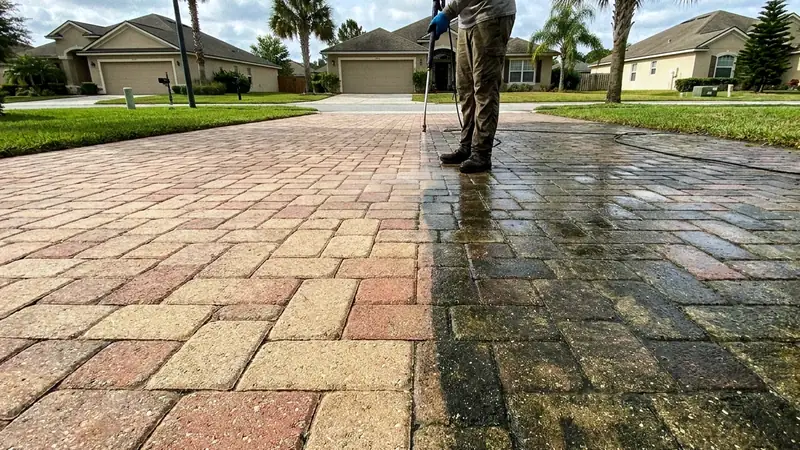
Cleaning lifts the algae, dirt and rust that dull pavers in a humid climate, so the surface looks brighter and grips better underfoot. New sand then fills the joints, which holds the pavers steady and gives weeds less room. A side path that went green by late summer can look like part of the property again. Walk the contractor to the roughest spots after you ask for a free estimate.
Paver Sealing Spring Hill FL Is Proud to Serve Tampa Bay
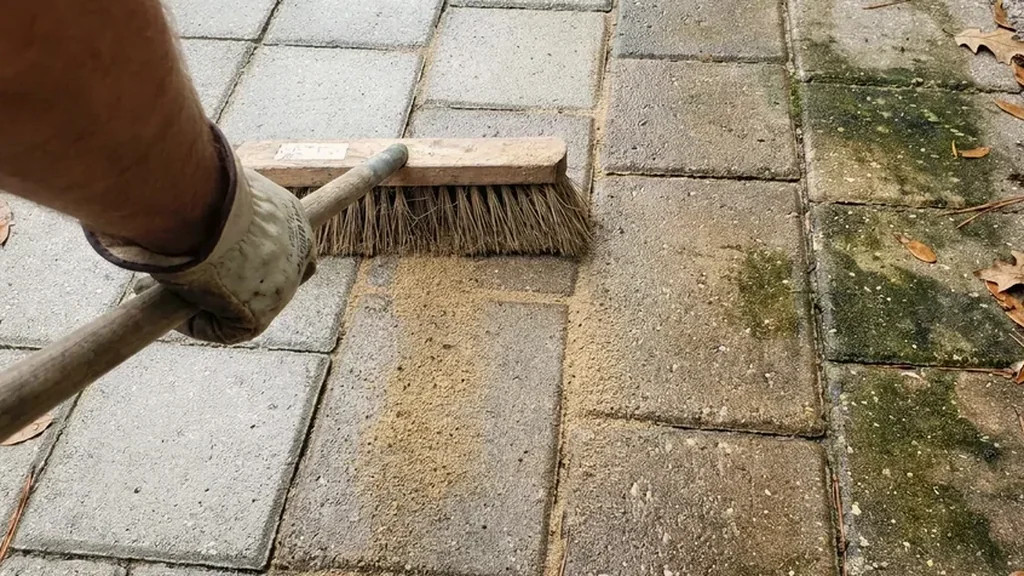
What is part of a paver cleaning job?
The work covers stain treatment, a gentle wash and new joint sand after the surface dries. It can be booked by itself, or it can be the opening stage of a sealing job. Shady paths and the ground near sprinklers take the longest. To line up a cleaning, call (352) 820-2319.
Stain treatment
A cleaner matched to the problem goes on first, whether a mild detergent for algae, an efflorescence remover or a rust treatment.
Gentle wash
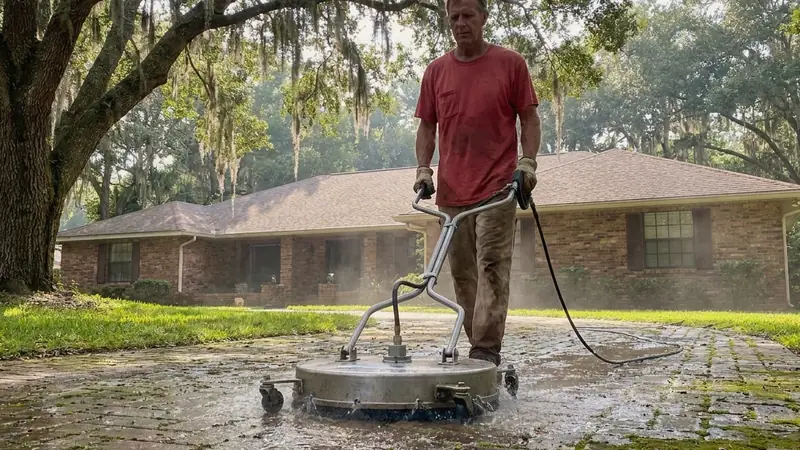
The spray is held at a low angle, which Unilock says keeps joint sand from washing out.
Fresh joint sand
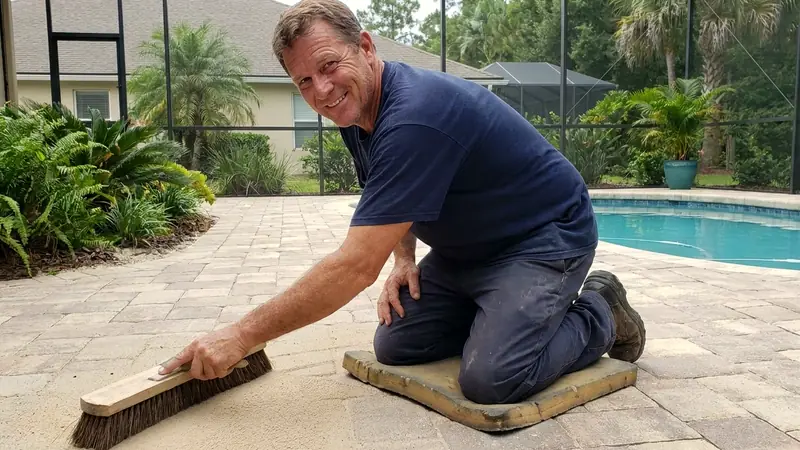
Dry sand is swept into every gap once the pavers dry, then added again where it settles.
Sealer if you want it
Sealer can follow after the surface dries completely. The sealing guide covers what it adds.
What are the signs my pavers need cleaning?
Signs include a green or black film along shaded edges, rust marks, weeds in the joints, white patches and sand gone from the seams. Mold and mildew lead that list, since a slick walkway or pool deck is a fall risk. Unilock says mold shows up where pavers get regular moisture or constant shade. To have yours looked at, call (352) 820-2319.
Is cleaning enough, or should I seal my pavers too?
A cleaning brings back today's appearance, while sealer determines how long it lasts. Stopping at the wash costs less now, but algae, stains and fading return on their own schedule. A coat makes later washes easier, per Unilock, though it needs redoing every few years. If you want the protective coat, say so when you ask for a free estimate.
How often should Spring Hill pavers be cleaned?
Unilock describes a routine of sweeping or blowing off debris, with a deeper wash less often. Damp, shaded corners and pavers near sprinklers can need a visit sooner than an open driveway. a Spring Hill company puts resealing at every 2 to 3 years, and a wash is a sensible step before each coat. To set a cleaning schedule that fits your property, call (352) 820-2319.
Does a harder blast clean pavers better?
No. Unilock says the wrong pressure or nozzle can crack pavers, cause erosion or blow sand out of the joints, and it says to keep the spray at no more than 30 degrees. It also warns against a wire brush, which can leave metal particles that turn into rust stains. Ask what pressure and nozzle the contractor uses when you ask for a free estimate.
Technique matters as much as the machine. A low angle, steady passes and a cleaner chosen for each stain do the work in place of force. Unilock also says to rinse cleaners off toward drainage points and to pull plants back first. To ask about the method now, call (352) 820-2319.
Can rust stains be taken off pavers?
Often, yes, with the right treatment. A paver restoration company near Spring Hill says many rust stains can be removed or greatly reduced, depending on the paver, how bad the stain is and how deep it went. It treats rust before cleaning and sealing. Point out the marks when you ask for a free estimate.
What is the white film on my pavers?
A chalky white film is typically efflorescence, a mineral deposit that rises to the surface when concrete gets wet and dries again. Unilock says it is temporary, usually fades in 2 to 3 months and can take up to a year, and that sealing should wait until it is gone. Old sealer that has clouded over can look similar. Point the patch out when you call (352) 820-2319.
How long do pavers need to dry before sealing?
Unilock says pavers can be dry enough in a few hours in warm sun and need about 24 hours in cool shade, with clear skies for 24 to 48 hours before the coat. Rain pushes that out, which is why a wash and a seal often fall on different days. Ask what the contractor does when rain is forecast, and ask for a free estimate.
Which paved areas can be cleaned at a Spring Hill home?
A driveway, pool deck, patio or front walk can each be washed. The dirt on each one differs, which changes the cleaner and the method. To get yours started, ask for a free estimate.
Driveways
A driveway carries tires, oil drips and the most sun on the property. Cleaning a driveway evens out the color and keeps sand in the joints where the wheels roll.
Pool decks and lanais
Pool decks take splash, sunscreen and bare feet. Cleaning a pool deck should leave good footing when the surface is wet.
Patios
Patios often sit in shade, where mildew starts early and lingers. Cleaning a patio begins with the greenest, dampest corners.
Walkways and entries
Walkways run close to planting beds, so soil and mulch end up on them. Cleaning the front walk is a small job at the spot every visitor steps on first.
What leaves Spring Hill pavers dirty?
Fading, mold and algae, rust, low joints and failed old sealer lead the list. A wash deals with several of these, and sealing or repairs address the rest. Call (352) 820-2319 to find out which of these your pavers have.
1. Fading in full sun
A Spring Hill company puts UV rays first on its list of what wears on Florida pavers. A driveway with no shade has the least cover, and a thorough cleaning shows how much of the original color remains.
2. Mold and algae in damp corners
Humidity and rain feed mold and algae, the same company says. Shaded edges and spots near sprinklers stay wet longest, which is where green shows up first.
3. Rust stains
Rust needs its own treatment. A paver restoration company near Spring Hill treats rust before it cleans and seals, and Unilock warns that a wire brush can leave metal particles that rust.
4. Joints that run low
Sand leaves the joints over time. Sealing helps lock the sand in, and Unilock says it tightens the joint surface so windblown seeds have fewer places to settle.
5. Cloudy or failed old sealer
Peeling or hazy sealer is a common reason for a restoration. Unilock traces a whitish film to trapped moisture, too much sealer or an incompatible old product, and one Spring Hill company prices stripping at $3.00 per square foot.
What does paver cleaning cost in Spring Hill?
Companies around Spring Hill price the full job more often than the wash alone. One posts $1 to $3 per square foot for professional paver sealing, and the work includes washing and joint sand, which puts a 600 square foot driveway near $600 to $1,800. For a price on your property, ask for a free estimate.
Compare that with the cost of skipping upkeep. A Spring Hill company says replacing faded or stained pavers runs $10 to $20 per square foot. Planning to seal as well? Ask for one combined price. For help weighing the two, call (352) 820-2319.
Want protection too? Read the sealing guide, see where contractors serve or return to the home page.
| Paved area | Typical example | Full clean, sand and seal |
|---|---|---|
| 500 sq ft | Pool deck or patio | $500 to $1,500 |
| 1,000 sq ft | Large driveway | $1,000 to $3,000 |
| 2,000 sq ft | Driveway plus pool deck | $2,000 to $6,000 |
The last column uses the $1 to $3 per square foot that a Spring Hill company posts for professional paver sealing, which covers the wash, joint sand and sealer as one job. Prices for a wash alone vary by area and stains, so your quote may land elsewhere.
Why use a contractor who works near Spring Hill for paver cleaning?
A contractor who works around Spring Hill knows what humidity, shade and sprinklers leave on pavers. Compare the quote with the published prices on this page and decide at your own pace. To begin, ask for a free estimate.
A contractor who works nearby
A company that covers Spring Hill already works under the same sun, rain and humidity your pavers face. So your first visit begins with someone who already knows how local weather treats pavers.
A free look and a free price
The visit and the estimate are free. A price that does not fit your budget is easy to turn down, and nothing is owed.
Published prices to compare
Companies around Spring Hill post what they charge per square foot, and this site passes those ranges along. When a bid lands far outside them, ask what explains the gap.
You set the pace
Request the price on paper and give yourself time to decide. Before you agree to anything, the contractor standards page shows which questions to put to each bidder.
Want a free estimate to clean your Spring Hill pavers?
Fill in the short form or phone, and a contractor answers in 1 business day or less.
Free, no obligation
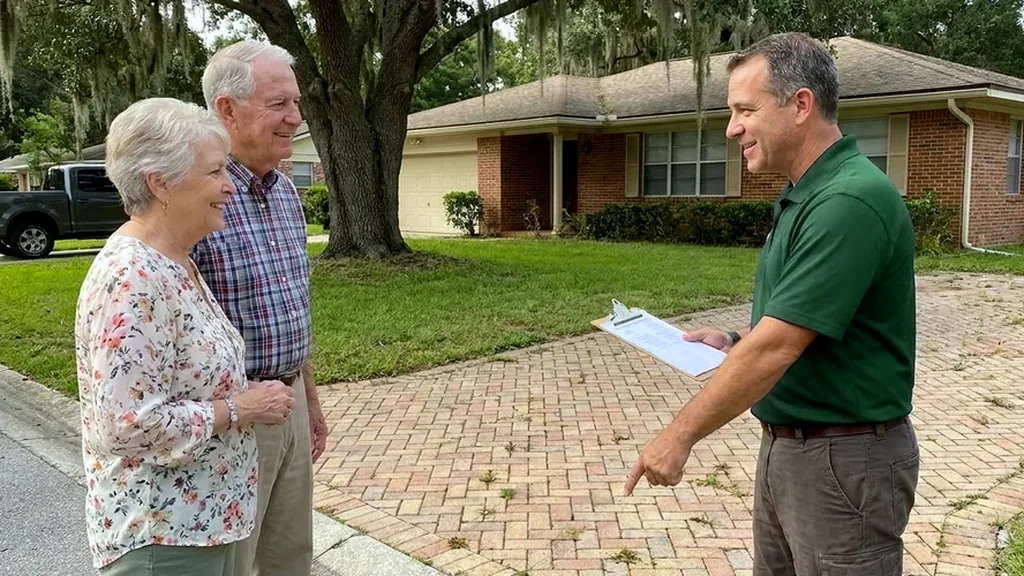
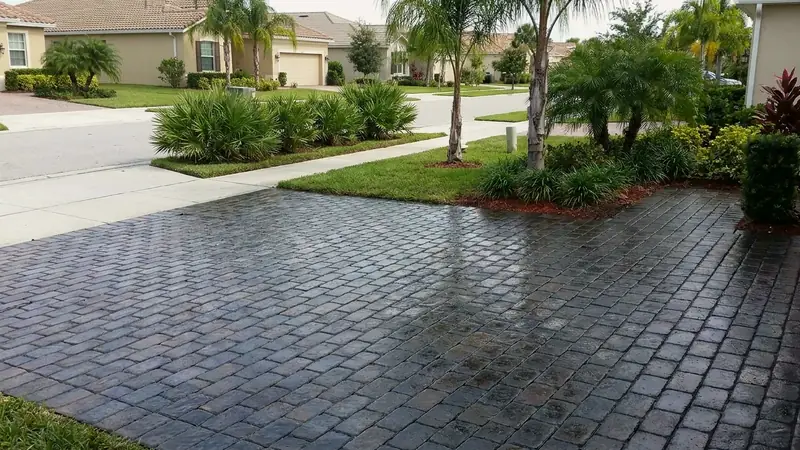
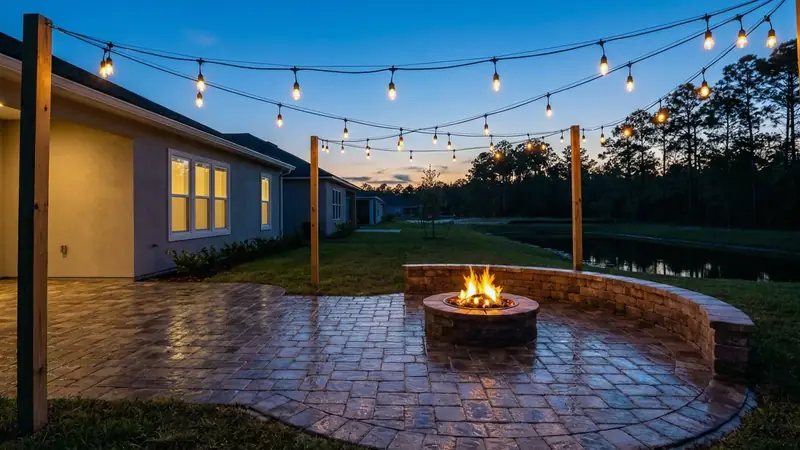
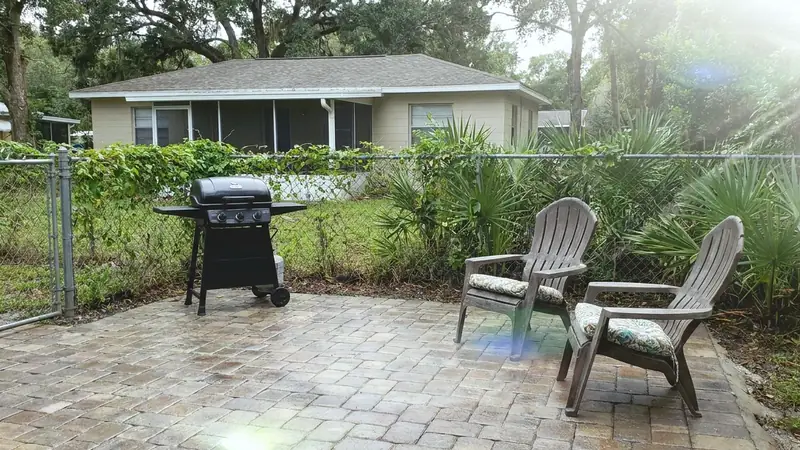
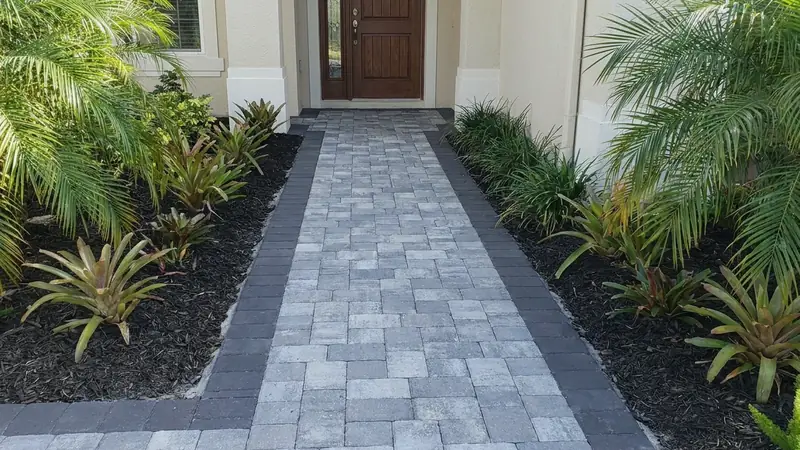
What do cleaned pavers look like near Spring Hill?
How does the paver cleaning process go, step by step?
Skip the sealer and the job ends at step four, once the joints are refilled. To set a date, call (352) 820-2319.
1. Look it over
To price the cleaning job, the contractor walks the surface and checks for sunken pavers, stains, old sealer and any spot where water stands.
2. Protect and wash
Nearby plants get pulled back or covered, then the pavers are washed with the spray held at no more than 30 degrees, the angle Unilock gives for keeping joint sand in place.
3. Treat the stains
A cleaner made for the stain goes on: a mild detergent or paver cleaner for dirt and algae, an efflorescence remover for white salts and a rust treatment for rust.
4. Refill the joints
Once the pavers have dried, new sand is swept in. A paver restoration company near Spring Hill uses Florida silica sand for this step.
5. Seal and walk it with you
When sealing is part of the job, a low pressure sprayer lays the coat and a dry roller soaks up the extra, as Unilock describes. Before leaving, the contractor tells you how long the surface needs to stay clear of foot and car traffic.
Frequently Asked Questions
Is it a good idea to pressure wash pavers?
Yes, as long as the pressure stays gentle and fresh sand goes back into the joints. Unilock lists powerful cleaning as a plus and warns that wrong pressure or nozzle settings can crack pavers or blow sand out of the joints. Ask the contractor how the wash is done.
What should I clean pavers with before sealing?
It depends on the stain. Unilock names a mild detergent or a paver cleaner for dirt and algae, an efflorescence remover for white salts and white vinegar for mold. A Spring Hill paver company also treats rust stains before it seals.
How to pressure wash pavers without removing sand?
Keep the spray low. Unilock says to hold a hose or washer at an angle no greater than 30 degrees and to rinse with care so joint material stays put. New sand goes back in once the pavers dry.
Can oil stains be removed from pavers?
Often, yes. Unilock says to soak up the oil first with a paper towel or kitty litter, then use soap and water or a driveway paver cleaner. Old stains that have soaked in may need a stronger product, so point them out at the estimate.
How can I make my pavers look new again?
Wash off the algae and dirt, treat stains, refill the joints with sand and, if you want the color to hold, seal. A paver restoration company near Spring Hill describes a similar path with rust treatment, cleaning, Florida silica sand and sealing.
How often should I seal pavers in Florida?
Every two to five years. A Spring Hill company says every 2 to 3 years, and Unilock says three to five. Cleaning alone does not add protection, so the color and the algae can come back on their own schedule.
How much does it cost to clean and seal pavers in Spring Hill?
One Spring Hill company posts $1 to $3 per square foot for professional paver sealing, and the work includes the wash and joint sand. A 600 square foot driveway runs about $600 to $1,800. Stripping failed sealer first is priced higher.
Why do my pavers keep turning green in Spring Hill?
Damp conditions feed it. A Spring Hill company says humidity and rain create mold and algae, and Unilock says mold shows up where pavers see regular moisture or constant shade. Trimming back plants and aiming sprinklers away from the pavers can slow its return.
Ready for clean, even pavers again?
Phone or send the short form, and a contractor writes back within 1 business day, often much sooner.
Free, no obligation